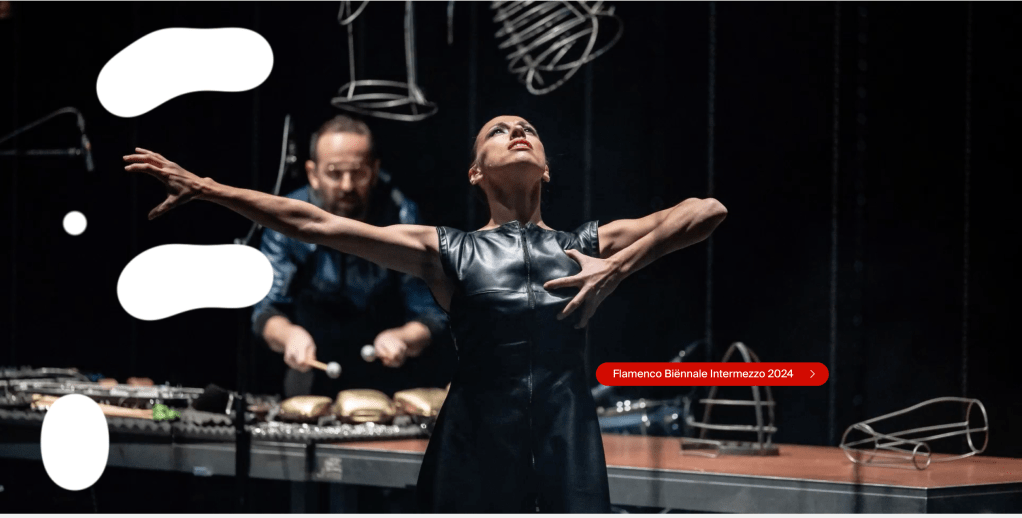
A week of live flamenco at the Flamenco Biënnale Nederland left me enriched, inspired—and, honestly, irritated. From avant-garde experiments to freakish moments, I sketched and sighed my way through it all, missing the flamenco I love. “No more”, I thought regularly. Yet, I came away feeling surprisingly renewed.
Watching the Flamenco OFF-BEAT performances in the amazing halls of the Muziekgebouw aan ‘t IJ in Amsterdam, I realized I was more intrigued by modern flamenco than I expected. However, the route was a rollercoaster of emotions—most of them awkward.
Sara Jiménez’s Ave de Plata, performed in flesh-colored underwear and a rope-like corset, referenced birds in angular movements. Watching it, I couldn’t connect. Later, though, photos and videos revealed the beauty of her dancing—artful and striking from a distance, but confronting live.
White kiss, flamenco art or scam
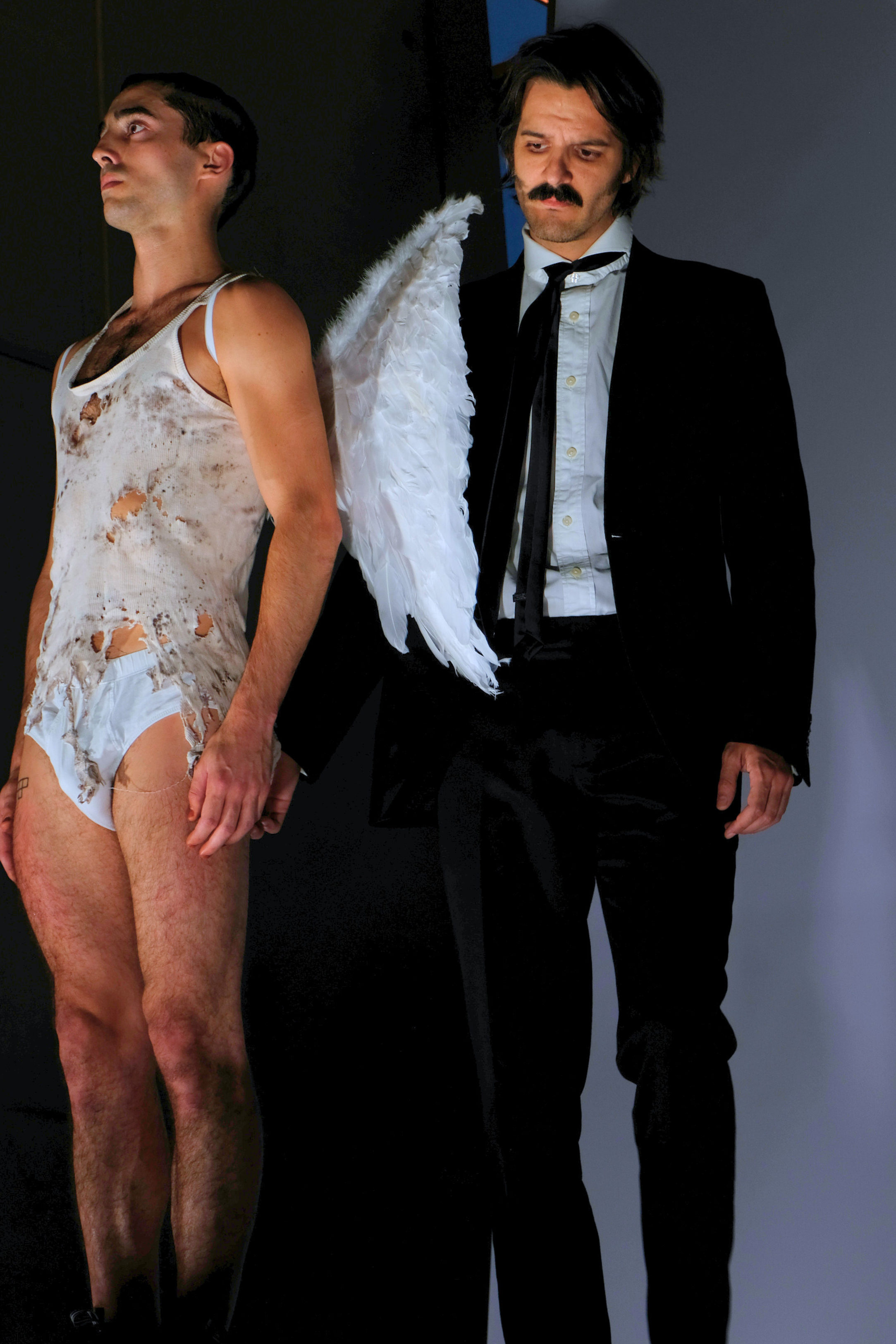

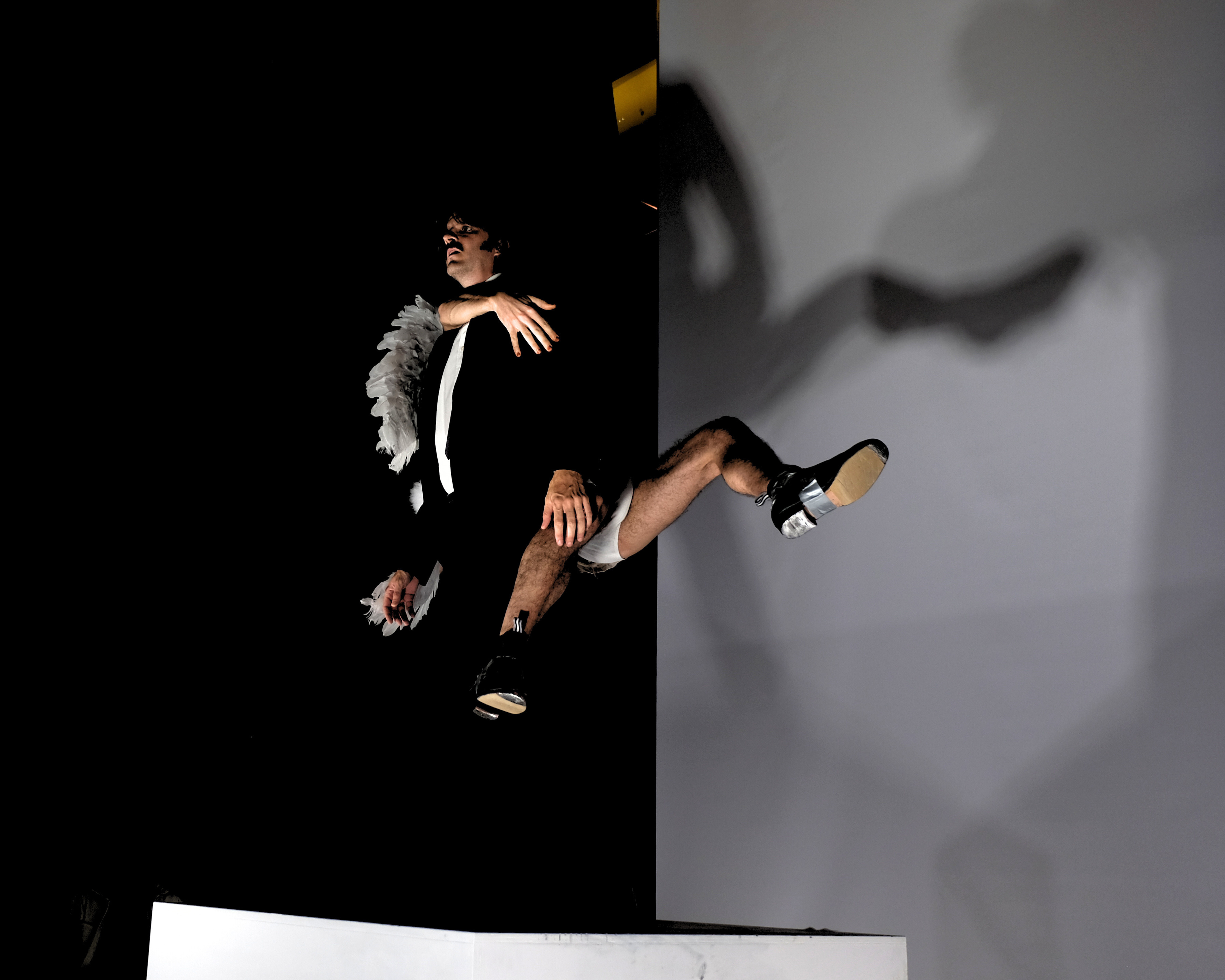
Martí Corbera and Ernesto Artillo ‘El Beso Blanco’ Photos © Hannet Engel
My reaction was even stronger during Ernesto Artillo’s Un Beso Blanco. A dancer spitting on another in a sexually charged lock-hold isn’t flamenco. It’s theatre, or performance, or maybe art—and I can appreciate that. But only for five minutes. Martí Corbera, a skilled flamenco artist, performed as a living sculpture or fallen angel in torn, poverty-evoking clothes. It transmitted a sense of poetry and this imagery has stuck with me, there was little flamenco to be seen though. And I was left wondering: is this art or a scam? A bit like the people must have felt when they saw Duchamp’s urinal pot in the museum.
By the time I reached dancer Luz Arcas embodying a goat, I’d had enough. Too many strange movements, too little flamenco. While her professionalism is undeniable and Tomás de Perrate is a raw flamenco voice, I couldn’t appreciate it – I’d hit my avant-garde limit.
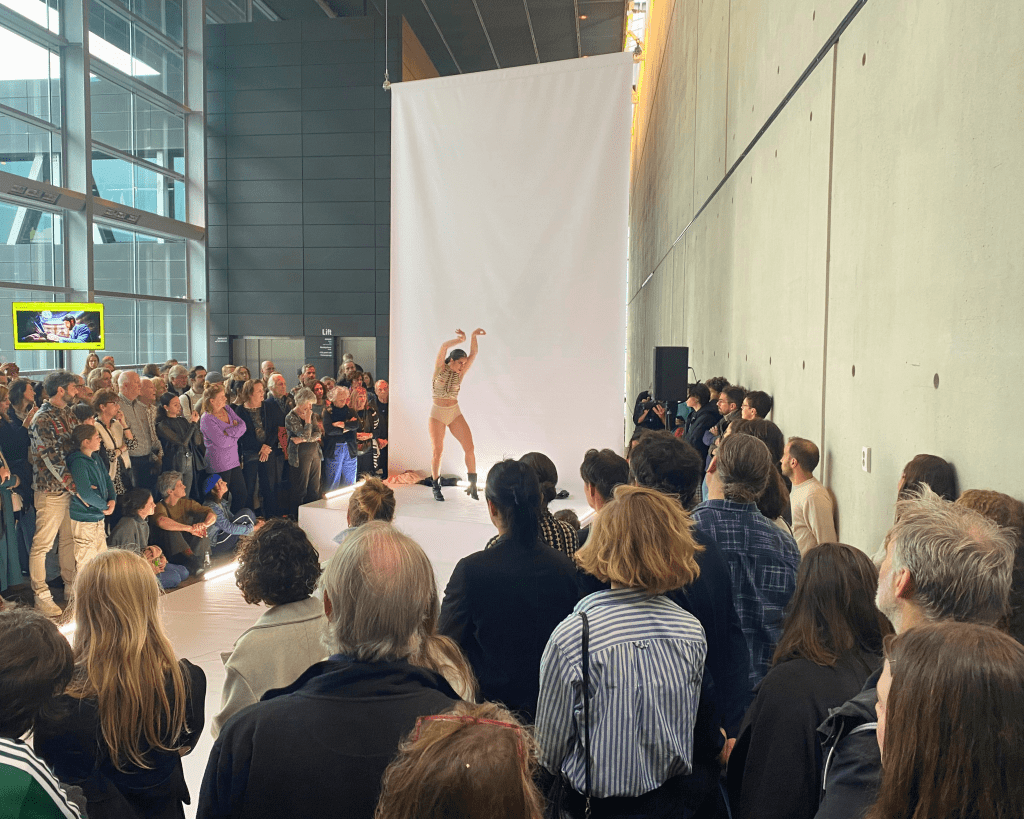


A Highlight: Ángeles Toledano
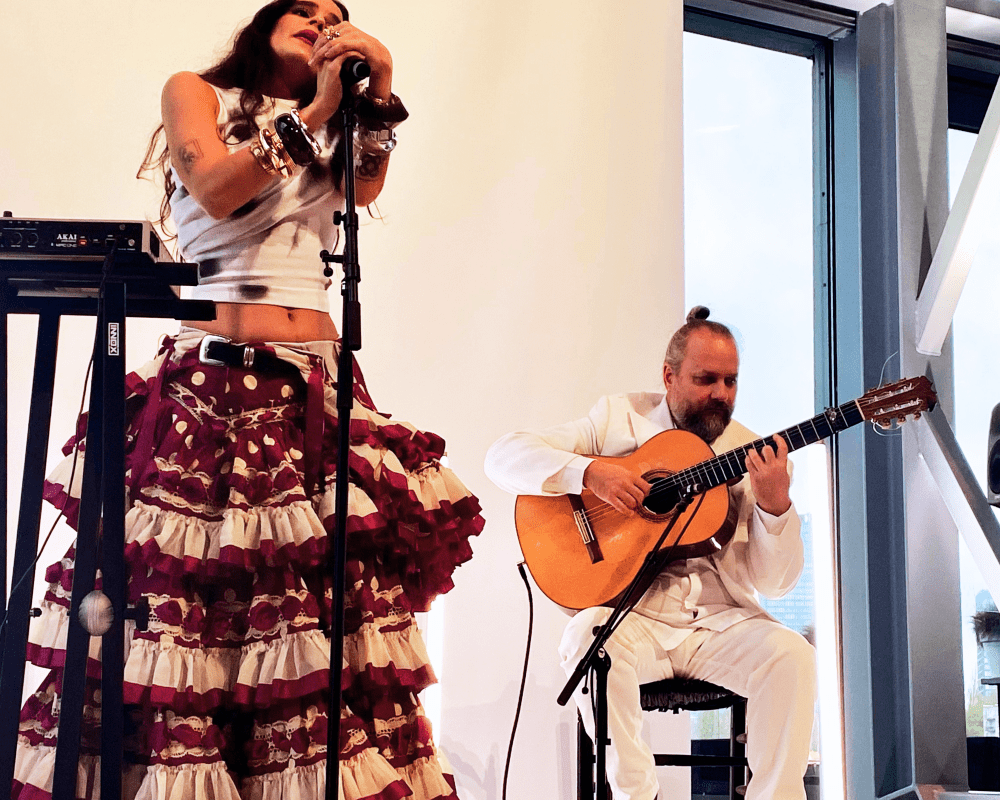
The highlight of my evening was Ángeles Toledano, a young flamenco singer with a mesmerizing voice. She blended traditional flamenco singing with spoken word, layering her voice through a loop station. Paired with Raúl Cantizano’s eccentric guitar, her performance felt fresh yet still rooted in flamenco. It moved me—it had the jondura that warms me like wine. Because, I wonder, is it still flamenco without the guitar, the singing, the compás? Or is flamenco simply the spirit of reinvention itself? All that aside, I realize I need a bit of that beauty, the melody of flamenco to feel good.
Raúl Cantizano presented a visually striking piece inspired by flamenco guitar legend Sabicas, who famously accompanied Carmen Amaya and was a major influence on Paco de Lucía. Cantizano experimented with gadgets and technique, creating loops that intertwined with Sabicas’ recordings. Visually, it stood out, but musically, it felt messy and didn’t quite capture Sabicas’ musical essence nor Cantizano’s own brilliance.


DJs Los Voluble topped the menu off by mixing flamenco beats with a whirlwind of VJ imagery. While visually and conceptually powerful, the loudness of it all was a bit overwhelming for me. My activist friends, however, were deeply impressed by its intensity and relevance. They showed protests, environmental issues, and even a Māori haka addressing global concerns – which really appeals to me as I intend to leave for New Zealand to establish a Flamenco and Māori project. More about that soon, so stay tuned!
I came away feeling enriched by the experience, grateful for the creativity and experimentation I had witnessed, and annoyed still, for having to endure it. The OFF BEAT route was a series of appetizers for next year’s Dutch Flamenco Biennial and I have to say I am hungry for more, even though it took a while to digest.
Estrella Morente and Rafael Riqueni: Flamenco Classics
After all the modernity, I’d almost forget about Estrella Morente! The living tradition of cante jondo, flamenco’s deep song, took center stage later that night with two icons: Estrella Morente, daughter of the legendary Enrique Morente, and Rafael Riqueni, hailed as “the guitar itself” by the Spanish press. Together, they presented their album Estrella & Rafael—a project born from an unlikely collaboration in a Sevilla penitentiary, highlighting the healing power of flamenco and their personal understanding. They paid tribute to flamenco greats like Pastora Pavón, Niño Ricardo, and Enrique Morente, whose innovative spirit continues to shape the art.
Seeing Estrella live was special—she was my first flamenco love and I call her the ‘diva of flamenco’. Her presence isn’t what it used to be, still, her fierceness impressed me, and her voice still carries its signature metal (characteristic sound and feeling). Estrella’s Moorish, guttural crying, so markedly from Granada, is amazing. She might be the actual last bulwark of the Moors in Spain.
Rafael Riqueni’s playing always reminds me of Monet’s paintings; impressionist, sensitive and poetic. Although I think his age is beginning to show. His playing feels just a tad off at times, mostly his picados. Despite this, Estrella and Riqueni are amazing and flamenco classics—they set the bar, they embody flamenco, and hold a special place in tradition.
Vanesa Aibar: A Mother-Creator on Stage
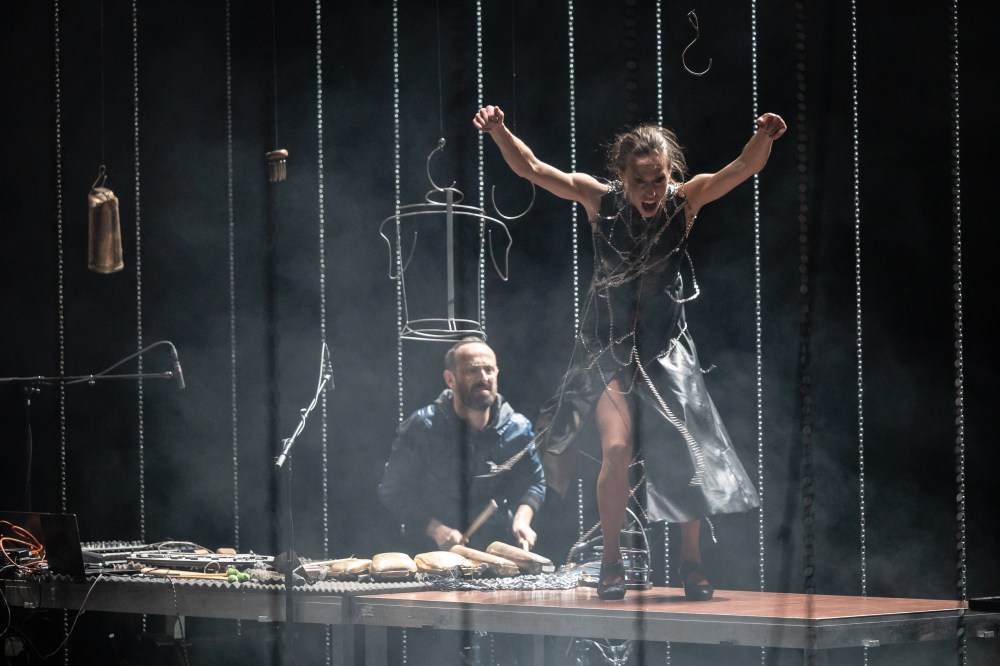
Vanesa Aibar’s La Reina del Metal stayed with me. She moves and inspires me, as a performer but also a mother-creator. Just three months after becoming a mother, she delivered a physically intense performance, balancing strength and artistry. Her stage was a playground for improvisation with Enric Monfort, but the playfulness sometimes felt rehearsed. Still, her ability to combine motherhood and creativity is deeply inspiring. She’s a creator, a creatrix, a Reina—a queen in her own life.
Want to read an in-depth review? Stay tuned for more next week! Also check out Vanesa Aibar: Flamenco meets Metal at Dutch Flamenco Biennial.
A Step Toward the Future
So, is flamenco still what I think it is? Or is it something else entirely? The boundaries of flamenco were undeniably pushed at this Flamenco Intermezzo. These performances challenged me, but they didn’t always move me emotionally in the way flamenco usually does. I longed for more beauty, harmony, and flamenco’s emotional depth. Yet, I feel inspired—and I think, these shows are a necessary experiment, a step toward something new for flamenco. Praise to the Flamenco Biënnale Nederland for taking these risks and facilitating flamenco artists who experiment.
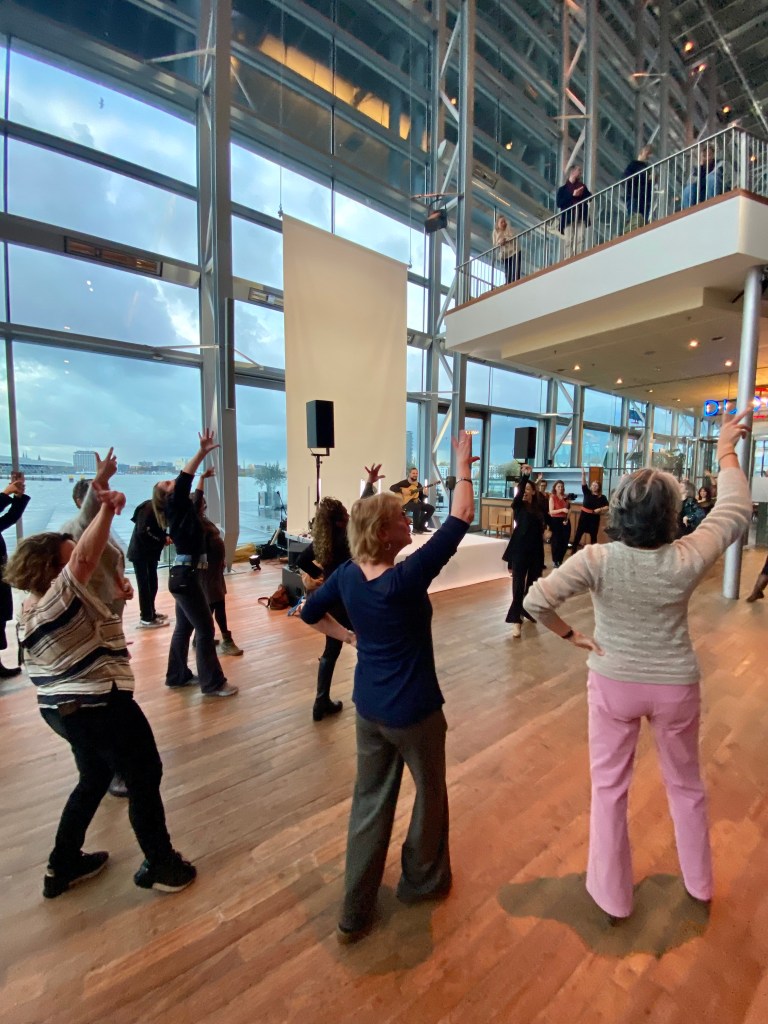
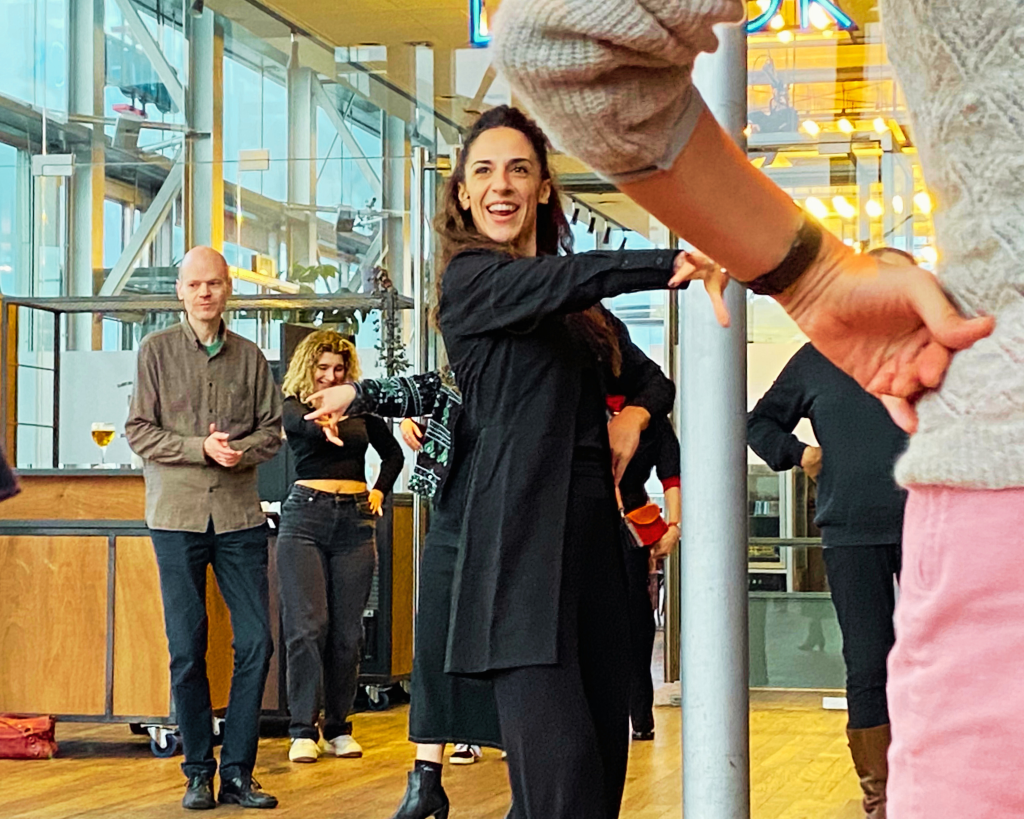
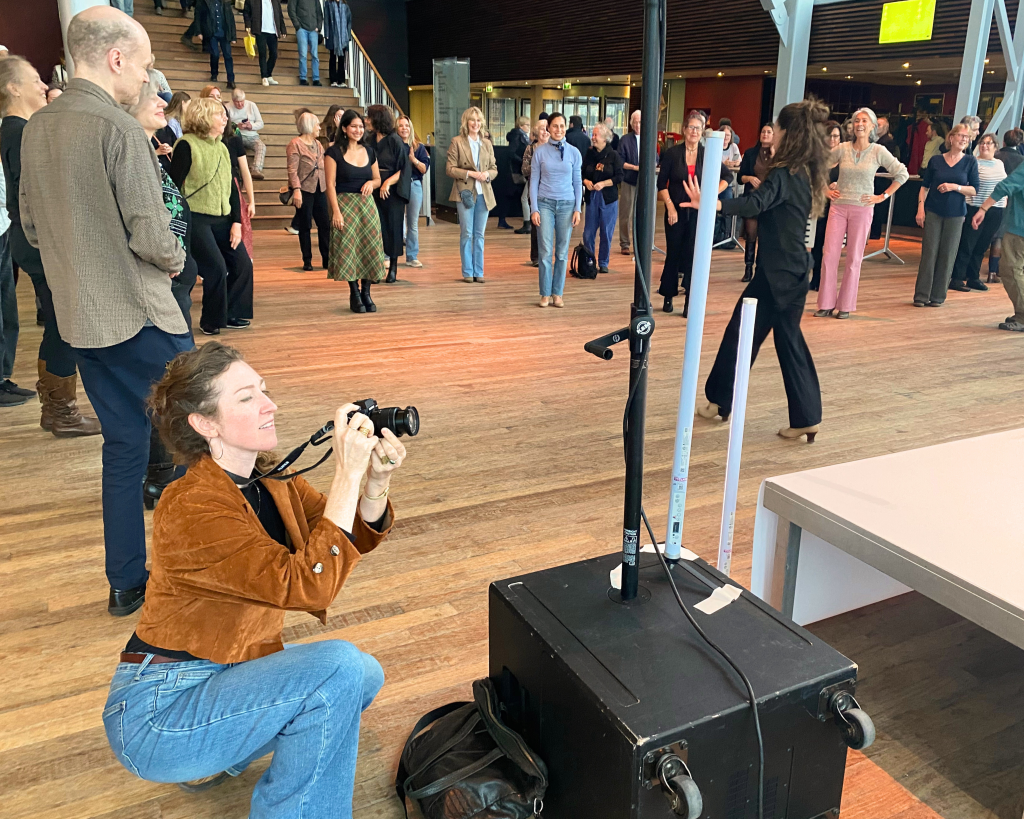
Seen at Flamenco Biënnale Nederland – Intermezzo November 2024
Flamenco OFF BEAT | Sunday, 17 November 2024 | Muziekgebouw aan ‘t IJ, Amsterdam
Estrella & Rafael Estrella Morente & Rafael Riqueni| Sunday, 17 November 2024 | Muziekgebouw aan ‘t IJ, Amsterdam
La Reina del Metal Vanesa Aibar & Enric Monfort | Friday, 22 November 2024 | Stadsschouwburg Utrecht
Curious for more flamenco stories? Sign up for Flamenco Artworks and get the latest news straight to your inbox!
Discover more from FLAMENCO ARTWORKS © |||///|||///||| |||///|||///||| HANNET ENGEL
Subscribe to get the latest posts sent to your email.
 FLAMENCO ARTWORKS © |||///|||///||| |||///|||///||| HANNET ENGEL